
Icynene Attic Insulation: The La Habra Owner’s Guide
Most Icynene open-cell spray foam attic jobs in La Habra run between $3.80 and $5.20 per board foot installed, with a typical 1,200-square-foot attic at R-38 depth landing between $4,600 and $7,800 total. We stock Icynene Classic Max and Icynene ProSeal LE on our La Habra trucks, and we can usually inspect and start same-day if you call before noon. Homeowners usually figure out something’s wrong when their upstairs bedrooms won’t cool below 78 degrees in August, or when they spot the telltale yellowing and powdery surface breakdown where the foam has pulled away from the roof deck.
Which Icynene Models This Applies To
Icynene’s product line breaks into two families that behave differently in La Habra’s climate. Open-cell foams, Icynene Classic Max and Classic Plus, are water-blown and permeable - they let moisture move through, which is fine until the facing degrades or the foam shrinks from repeated heat cycling. Closed-cell foams, Icynene ProSeal LE and ProSeal Eco, are HFO-blown and act as their own vapor barrier, but they’re unforgiving if the substrate wasn’t clean and dry when applied.
To identify what you’ve got, check the job documentation for the Icynene lot number, or look for the density stamp on exposed edges - open-cell runs 0.5 lb/ft³, closed-cell runs 2.0 lb/ft³. The compatibility gotcha in La Habra: Icynene Classic Max from pre-2018 batches can develop amine blush in attics with poor ventilation, and that surface contamination prevents proper adhesion of any touch-up foam. We don’t try to patch over blush; we cut it back to sound substrate and reapply. Topside Attic Insulation La Habra is an independent service provider, not affiliated with Icynene.
OEM Icynene foam is the right call for full replacement, but for localized repairs we also source compatible two-component touch-up kits from Demilec that meet the same ASTM E84 and ICC-ESR ratings. The aftermarket decision hinges on whether your original job was spec’d with Icynene’s specific ignition barrier requirements - substituting without checking can void your fire-rated assembly.
Signs Your Icynene Attic Insulation Is Failing
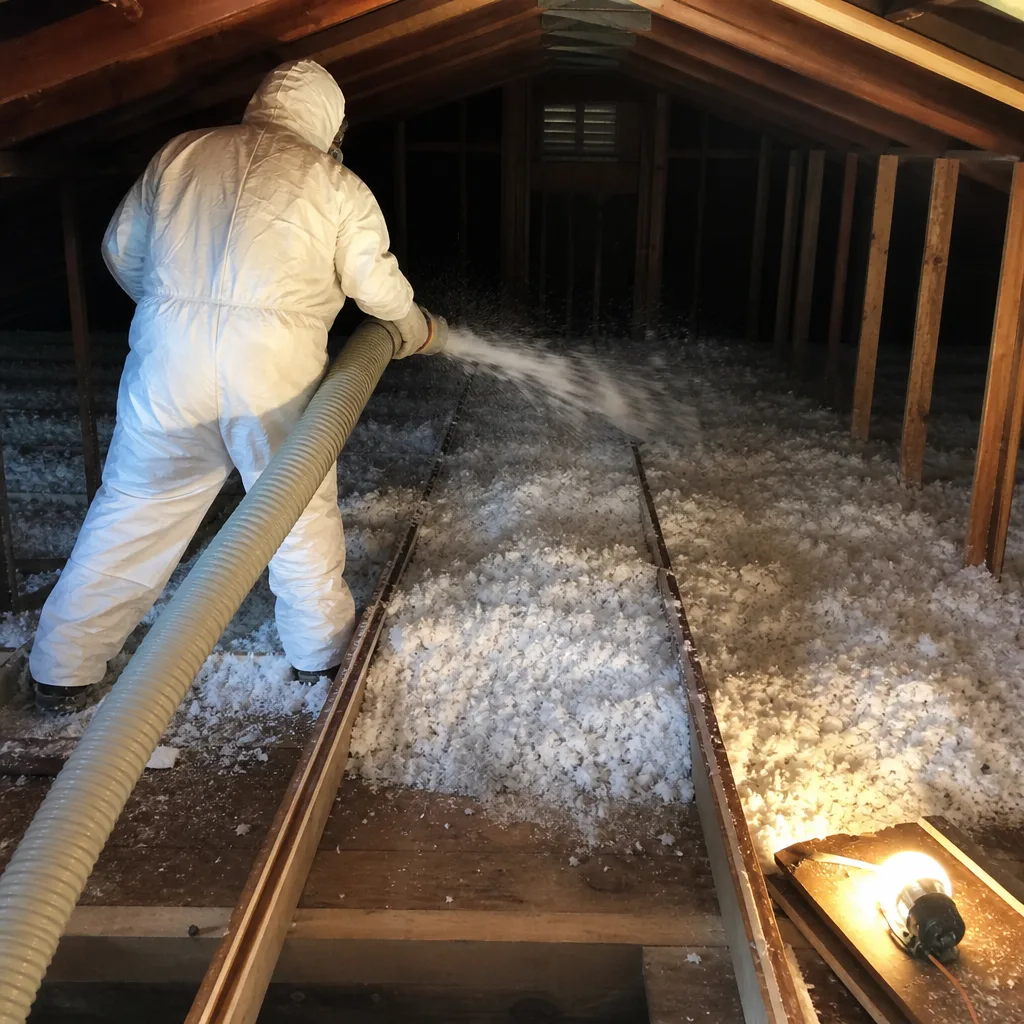
- Uneven temperatures between rooms. When Icynene shrinks or delaminates, it creates thermal bypasses. We see this most in La Habra ranch homes near the Heights border where original installers skipped sealing top-plate gaps before spraying. The foam looks intact, but conditioned air is leaking around it.
- Yellowing, powdering, or chalky surface. This is UV degradation or amine blush, accelerated in south-facing La Habra attics that hit 140°F in summer. The foam structure underneath may still be sound, but the compromised surface can’t bond to new material.
- Musty odor after rain. Open-cell Icynene is vapor-permeable by design, but if the roof deck above it has been wet repeatedly, the foam can harbor moisture at the interface. We pull core samples to check - if the wood behind reads above 18% moisture, the foam comes off and the deck dries before anything goes back.
- Higher cooling bills year-over-year. A blower-door test - a pressurization reading that shows, in one number, how much air your building envelope is losing - will expose this. We’ve tested La Habra homes where the attic was reading 2,800 CFM50 above what the same floor plan should hold, and the culprit was Icynene that had pulled away from chimney chases and duct boots.
- Visible gaps at framing edges or penetrations. Icynene needs a continuous substrate to adhere. If the original crew missed cleaning oil from a furnace flue, or if the plywood sheathing had mill glaze, the foam lets go in sheets. In La Habra’s Santa Ana wind cycles, that gap pumps attic air into your conditioned space every afternoon.
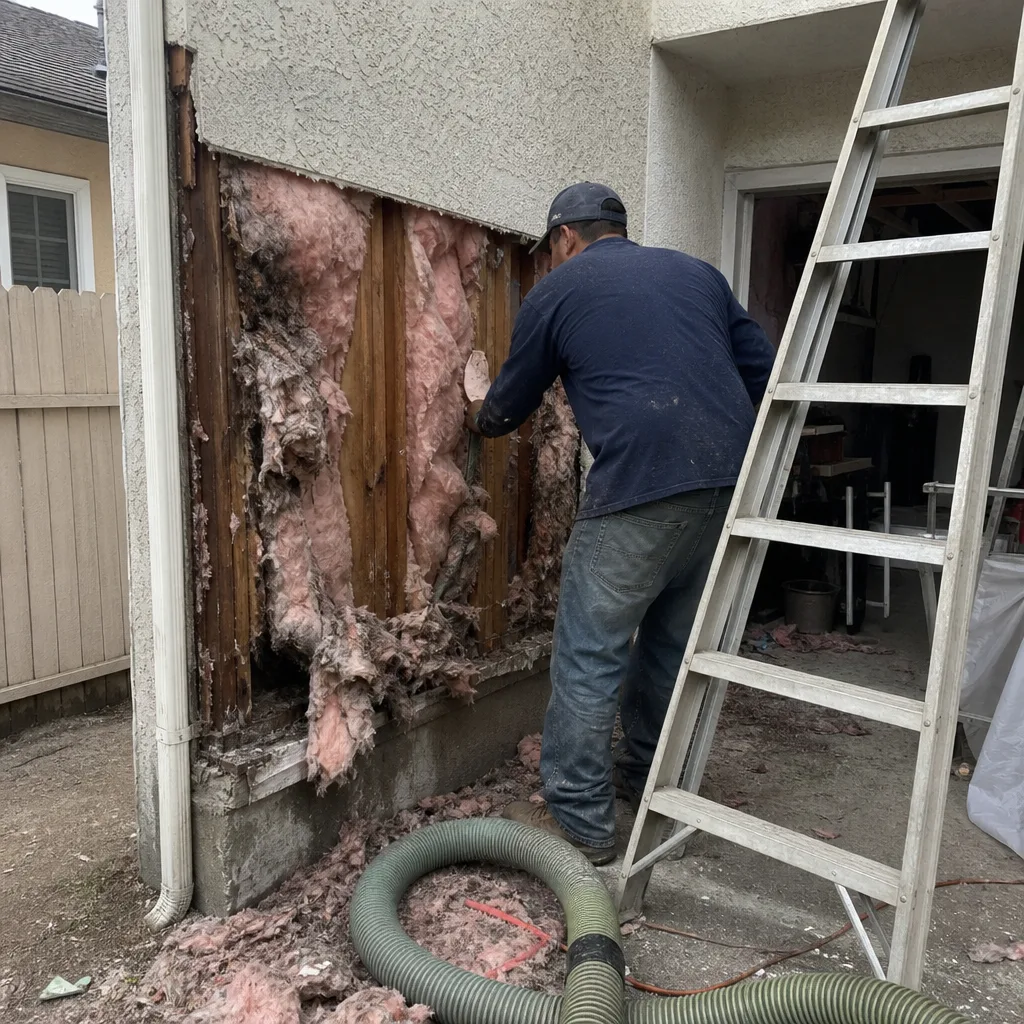 Before
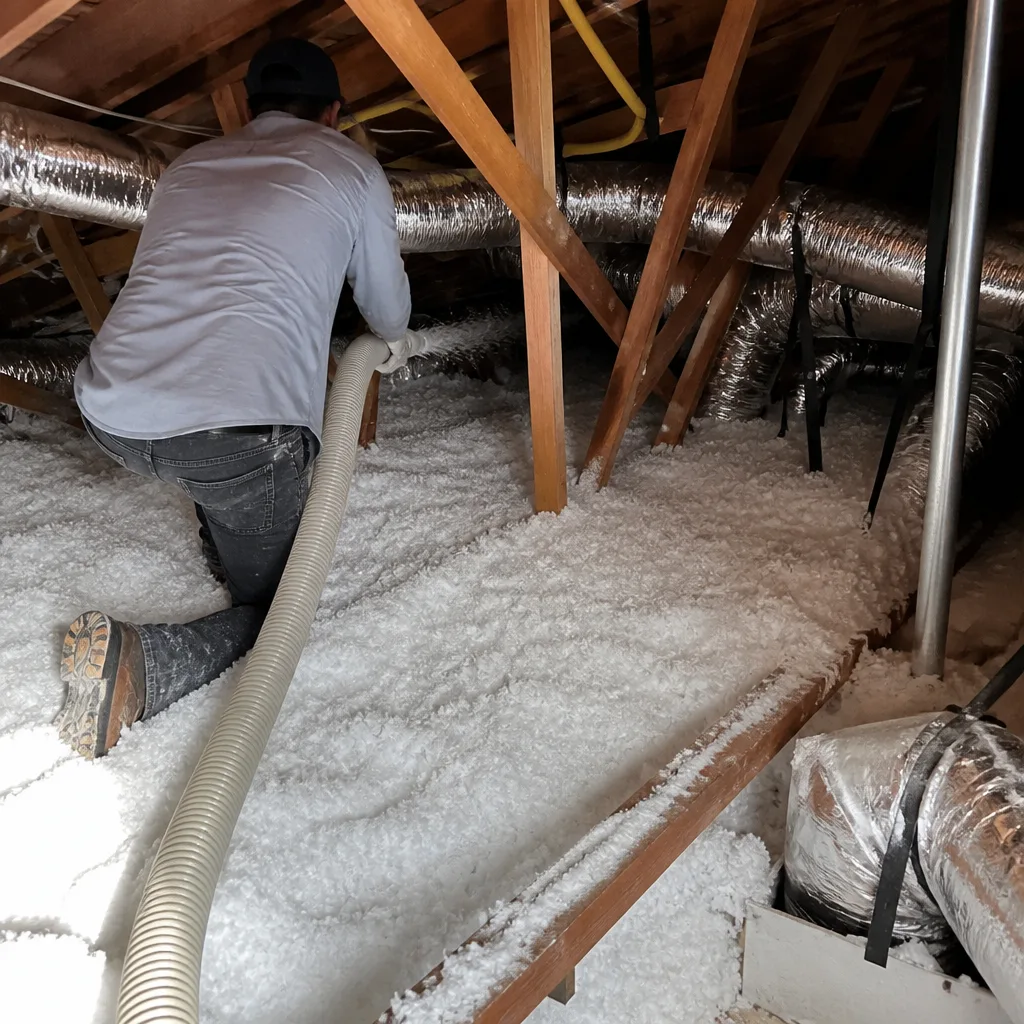 After
AfterReplacement Cost & What’s Included
| Scope | Price Range in La Habra |
|---|---|
| Localized repair (up to 100 sq ft, cut-and-patch) | $1,200 - $2,400 |
| Partial re-spray, open-cell (500-800 sq ft, R-38) | $3,800 - $5,600 |
| Full attic replacement, open-cell (1,000-1,500 sq ft) | $4,600 - $7,800 |
| Full attic replacement, closed-cell (same area, higher R-value) | $7,200 - $11,400 |
| Air sealing + blower-door verification (required prep) | $890 - $1,400 |
What drives the range: roof pitch (steeper = more labor), whether existing foam needs mechanical removal versus can be cut back selectively, and whether your assembly requires an ignition barrier or intumescent coating per La Habra’s adopted California Building Code. Every job gets a Written Price Before Any Work Starts - Haven Standard Clause 1 - and the quote includes the Icynene material, labor, prep and cleanup, and the Documented Photo Record you receive at completion. On applicable jobs, we run before-and-after blower-door tests and publish the numbers so you can verify the air-sealing result. The 365-Day Done Right Promise covers all completed work.
DIY or Call Us?
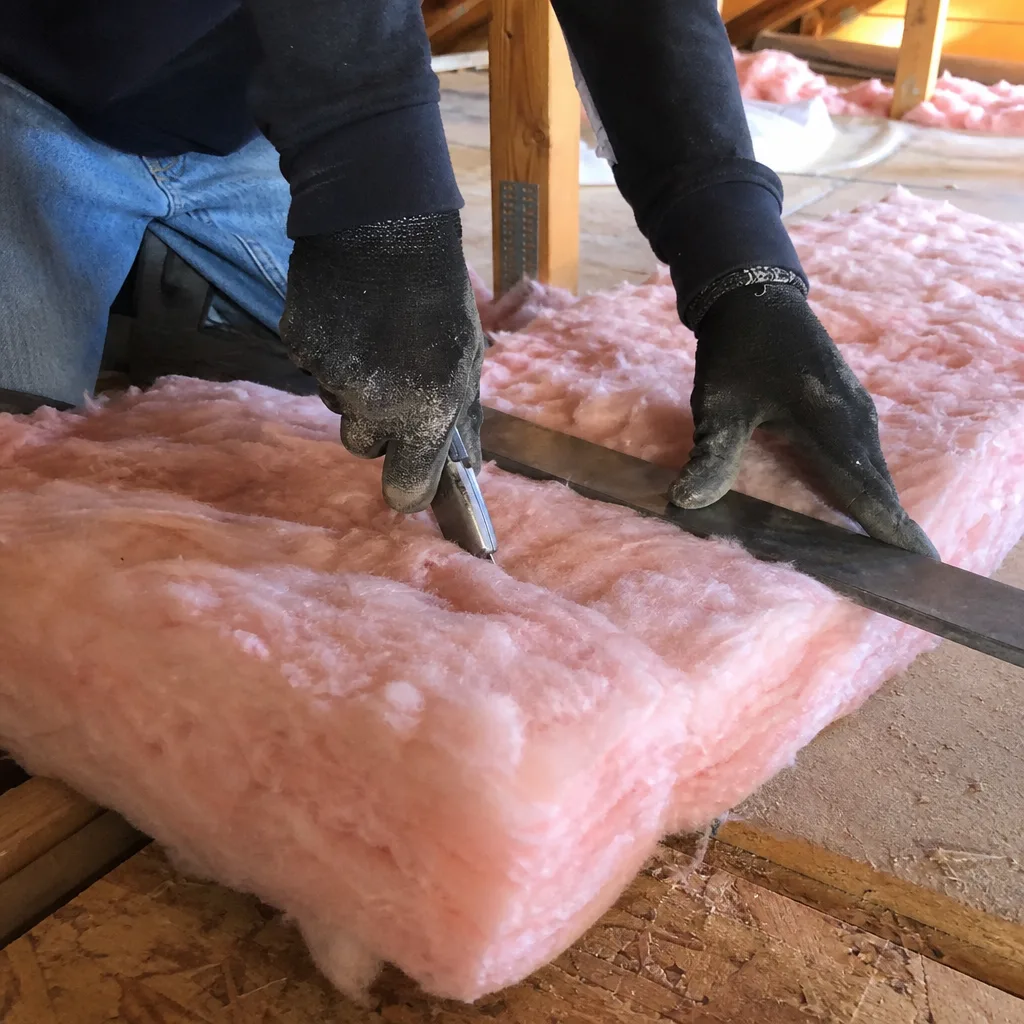
There’s a safe middle ground and a hard stop. Homeowners can check the lot number on their original Icynene installation paperwork, photograph any visible gaps or discoloration from the attic hatch, and verify their attic ventilation intake isn’t blocked - that’s useful information and it won’t hurt you.
Everything past that point involves two-component spray foam chemistry, and that’s where DIY goes wrong. The A-side isocyanate is a respiratory sensitizer; the exotherm during cure can hit 300°F and ignite surrounding debris; and the expansion ratio means a miscalculation leaves you with either a void or a bowed roof deck. We wear supplied-air respirators and carry thermal monitors for a reason. Seal the bypasses first. The insulation has nowhere useful to go until the air does. If your Icynene is failing, call (562) 267-3291 and we’ll scope it with a written price before any work starts.
FAQs
Properly installed Icynene should perform for the life of the building - 50+ years - but La Habra’s combination of intense attic heat and occasional humidity spikes can accelerate surface degradation if the original application was too thin or the substrate wasn’t prepped. We’ve cut into 2014-vintage jobs that looked factory-fresh and others from 2019 that needed remediation because the crew skipped cleaning. Call (562) 267-3291 for a free inspection and we’ll tell you which category you’re in.
Localized failure can be cut back and patched if the surrounding foam is sound and the substrate is clean and dry. If the failure is widespread, if there’s amine blush contamination, or if moisture has compromised the wood behind it, partial or full replacement is the only durable fix. We don’t quote repair versus replacement until we’ve pulled core samples and run a moisture meter - anything else is guessing. Bring us any written estimate; we offer a Free Second Opinion.
A localized repair is usually one day. A full attic replacement runs two to three days: day one for mechanical removal and air sealing, day two for the spray application and initial cure, and sometimes day three for ignition barrier coating if your code requires it. We don’t rush cure times; the foam needs to off-gas properly before we button up the attic. You’ll get a written schedule with your price.
We stock Icynene Classic Max and ProSeal LE in our La Habra warehouse, not on the trucks themselves - the components are temperature-sensitive and the drums are too heavy for mobile storage. What is on every truck: the full complement of air-sealing materials, moisture meters, thermal cameras, and the blower-door rig. That means we can diagnose and prep same-day, then return with the Icynene within 24 hours. For emergency situations where the attic is exposed, we carry Reflectix temporary radiant barrier as a stopgap.
Written by Wes Okafor, Owner, Topside Attic Insulation La Habra at Topside Attic Insulation La Habra, serving La Habra and nearby areas.