

Fast, Reliable Spray Foam Insulation Across Orange
Spray foam insulation in Orange typically runs $1,800-$4,500 for most residential jobs, with open-cell attic work starting lower and closed-cell roof-deck applications at the upper end. We’re usually on-site in Orange within 24-48 hours of your call, and our crews are familiar with everything from Plaza Square bungalows to the tract homes off Katella Avenue. Call (562) 267-3291 for a written price before any work starts.
Our dispatch and scheduling run through our Los Angeles office, but the crews serving Orange live here and know the local building stock. We’ve drilled through interior plaster in Old Towne’s balloon-frame walls, foamed rim joists in crawlspaces under 1950s ranchers near El Modena, and sprayed roof decks in townhomes off Tustin Street where attic access means a scuttle hole in a closet ceiling. That local specificity matters because Orange’s housing splits into two completely different animals: pre-1940 historic construction with no insulation and strict preservation rules, and mid-century tract housing with degraded fiberglass batts and vented attics that bake to 150°F in July.
Why Topside Attic Insulation La Habra Is Orange’s Preferred Spray Foam Insulation Company
We’ve sealed and insulated over 9,000 homes since 2016, and a significant share of them sit in Orange County’s older core neighborhoods. Our Spray Foam Insulation in Orange customers leave reviews that mention the same things: the crew showed up on time, the written price matched the final invoice, and the photo documentation showed exactly what got foamed. We don’t ask you to trust us - we show you the blower-door numbers and the images.
Response time to Orange averages same-day or next-day for standard calls, and our live-answered phone means you’re talking to a person who can schedule, not leaving voicemail in a callback queue. Our technicians are background-checked, uniformed, and carry the Haven Standard scope packet: written price, written warranty, and documented photo record, delivered before anyone starts.
What separates us in this market is that we understand Orange’s historic preservation overlay. We’ve worked with City of Orange staff on contributing structures in Old Towne, and we know the difference between a routine insulation job and one that requires interior-only access methods. That knowledge keeps your project moving and your original siding intact.
Our Spray Foam Insulation Services in Orange
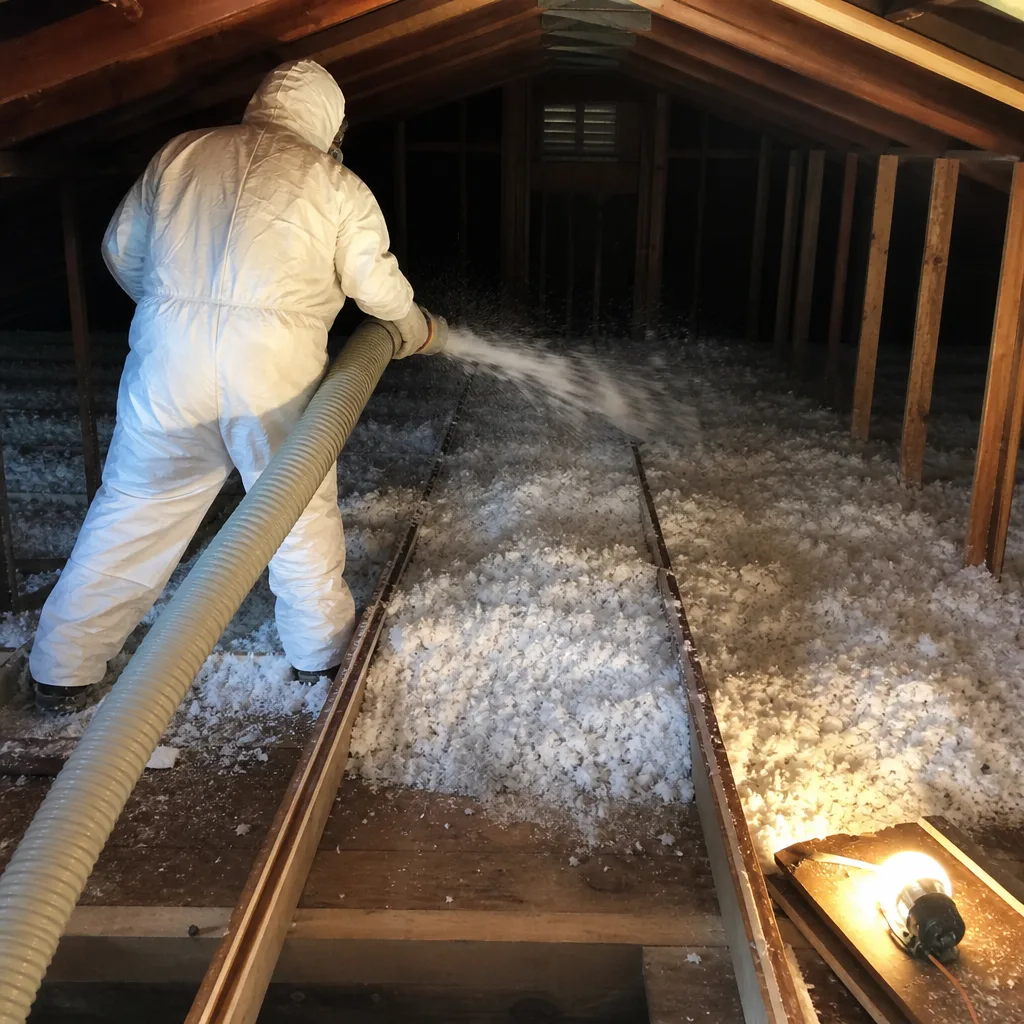
Closed-Cell Spray Foam
Closed-cell spray foam is our most common specification for Orange attics and roof decks. At 2 lb. density and R-6.5 per inch, it creates a vapor barrier and structural rigidity that open-cell can’t match. In Orange’s climate - where Santa Ana wind events push attic temperatures 20-30°F above normal and summer highs regularly hit the mid-90s - closed-cell on a roof deck stops radiant heat transfer at the source. We specify it for unvented attic assemblies in 1950s-1970s ranch homes east of the 55 Freeway, where the original vented design is actively working against modern cooling loads. Every closed-cell job gets a flash-coat thickness check; we’ve seen too many Orange attics where foam skinned over too thick and trapped heat against asphalt shingles, shortening roof life by years.
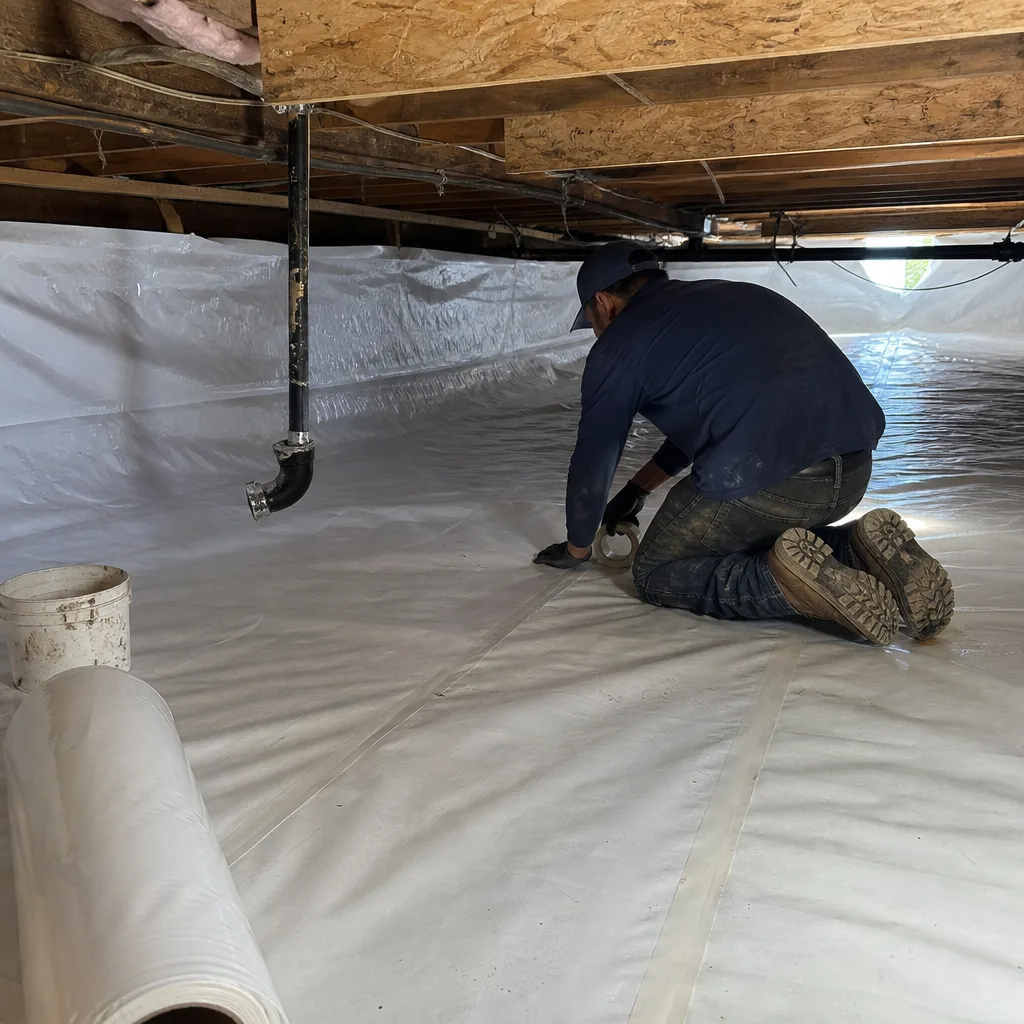
Open-Cell Spray Foam
Open-cell spray foam - half-pound density, R-3.6 per inch, vapor-permeable - has specific applications in Orange’s older housing stock. On that 1923 Craftsman off East Chapman Avenue near Plaza Square, our crew ran open-cell against the roof deck and sealed the balloon-frame wall cavities by drilling through interior plaster, then closed-cell on the rim joists in the crawlspace. The original redwood siding was never touched, and the homeowner’s front room stopped running 12°F hotter than the back on Santa Ana wind days. Open-cell’s softer, more flexible structure makes it ideal for historic framing that moves seasonally, and its lower cost per R-value helps when we’re filling large roof-deck cavities in converted attics around Orange High School.
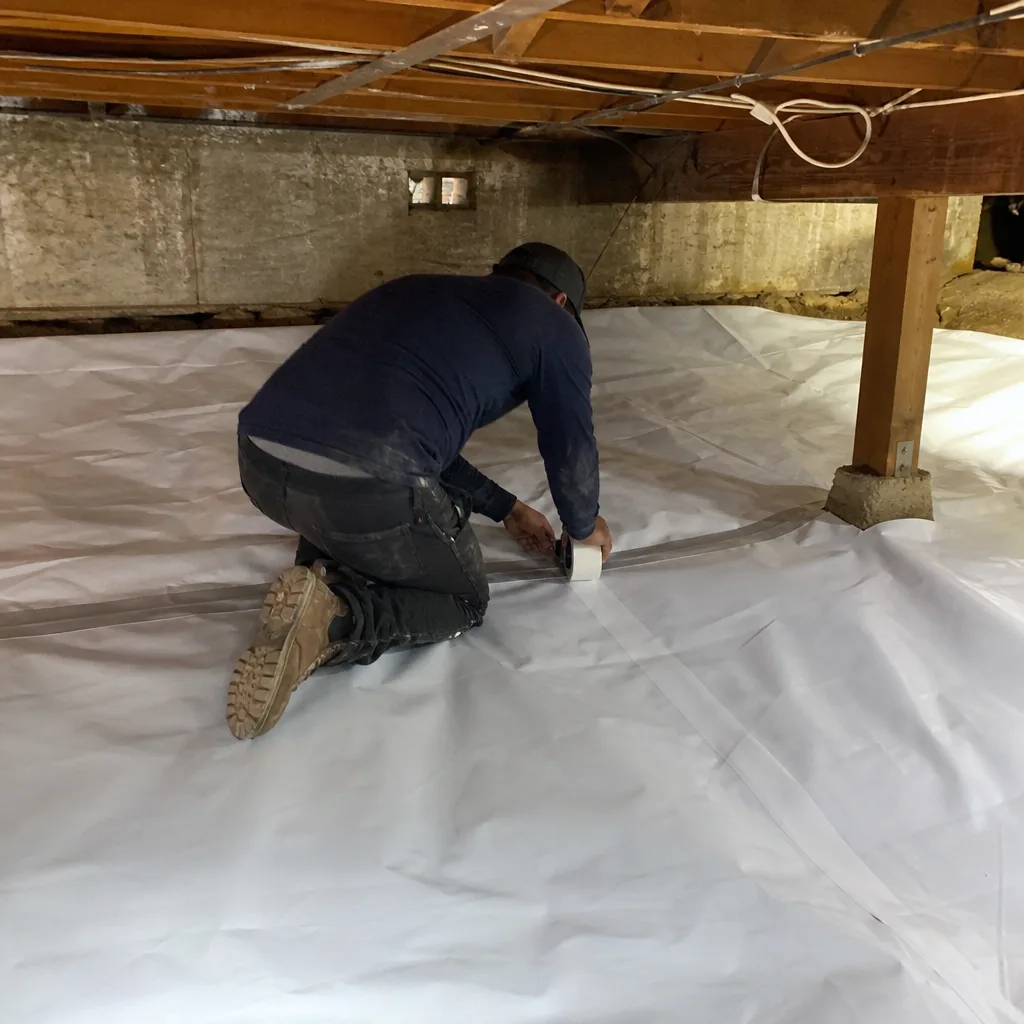
Rim Joist Spray Foam
The rim joist - the perimeter band where your floor framing meets the foundation - is the single leakiest assembly in most Orange homes, and it’s almost never insulated in original construction. In crawlspaces under Old Towne bungalows and 1960s ranchers alike, we find bare rim joists pouring conditioned air into the crawl. We spray closed-cell foam here, typically 2-3 inches, which seals and insulates in one pass. For homes near Santiago Creek or in the lower-lying areas toward Anaheim, where crawlspace moisture runs higher, this is often the highest-impact single improvement we can make. The homeowner gets before-and-after blower-door numbers showing exactly how much air leakage we eliminated at the perimeter.
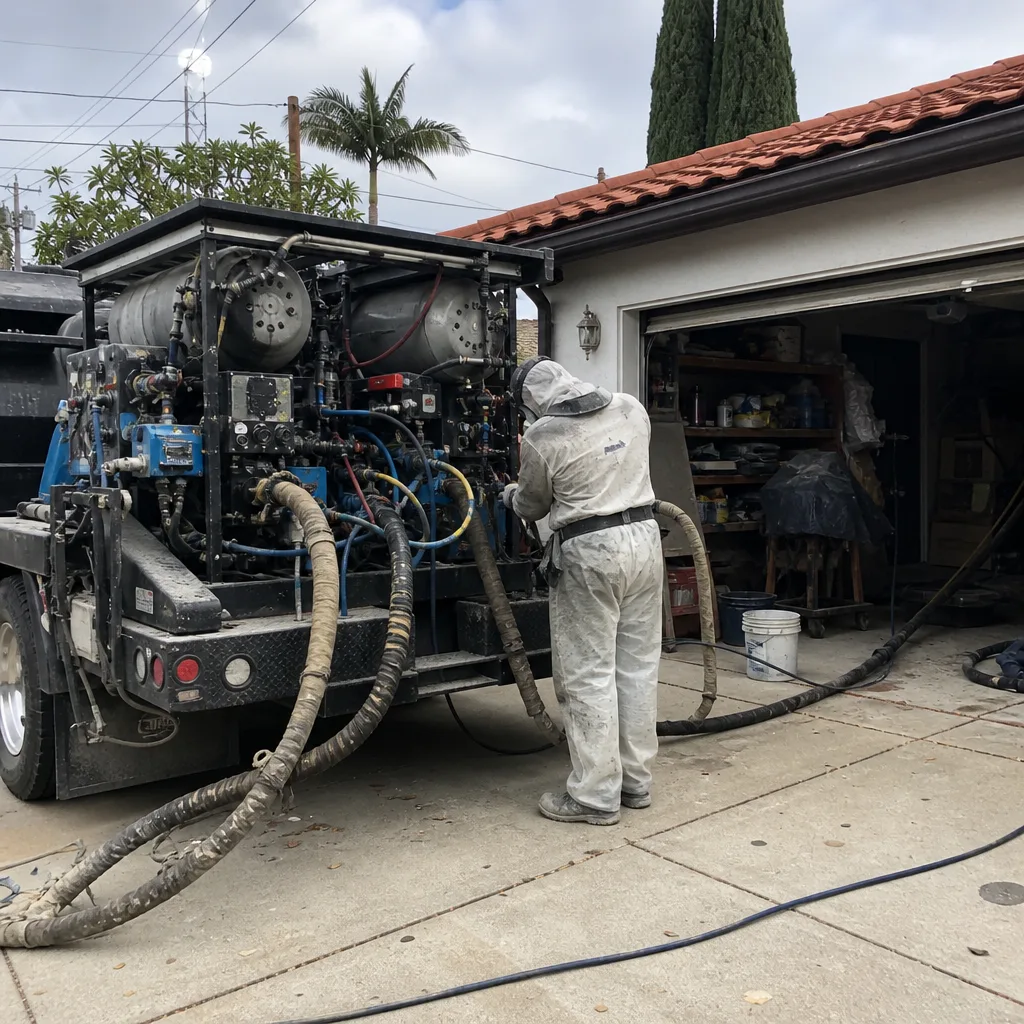
Garage Ceiling Spray Foam
Garage ceiling spray foam in Orange solves a problem specific to our market: attached garages with bedrooms above them. In the tract homes near Villa Park and east of the 55, we regularly find master suites over uninsulated garage ceilings that swing 15°F off the rest of the house. We spray open-cell foam against the garage ceiling drywall, creating a thermal and air barrier that stabilizes the room above. Access is usually through the garage ceiling itself or from the bedroom closet; our crews carry compact rigs that fit standard residential garages without blocking your vehicles on the driveway.
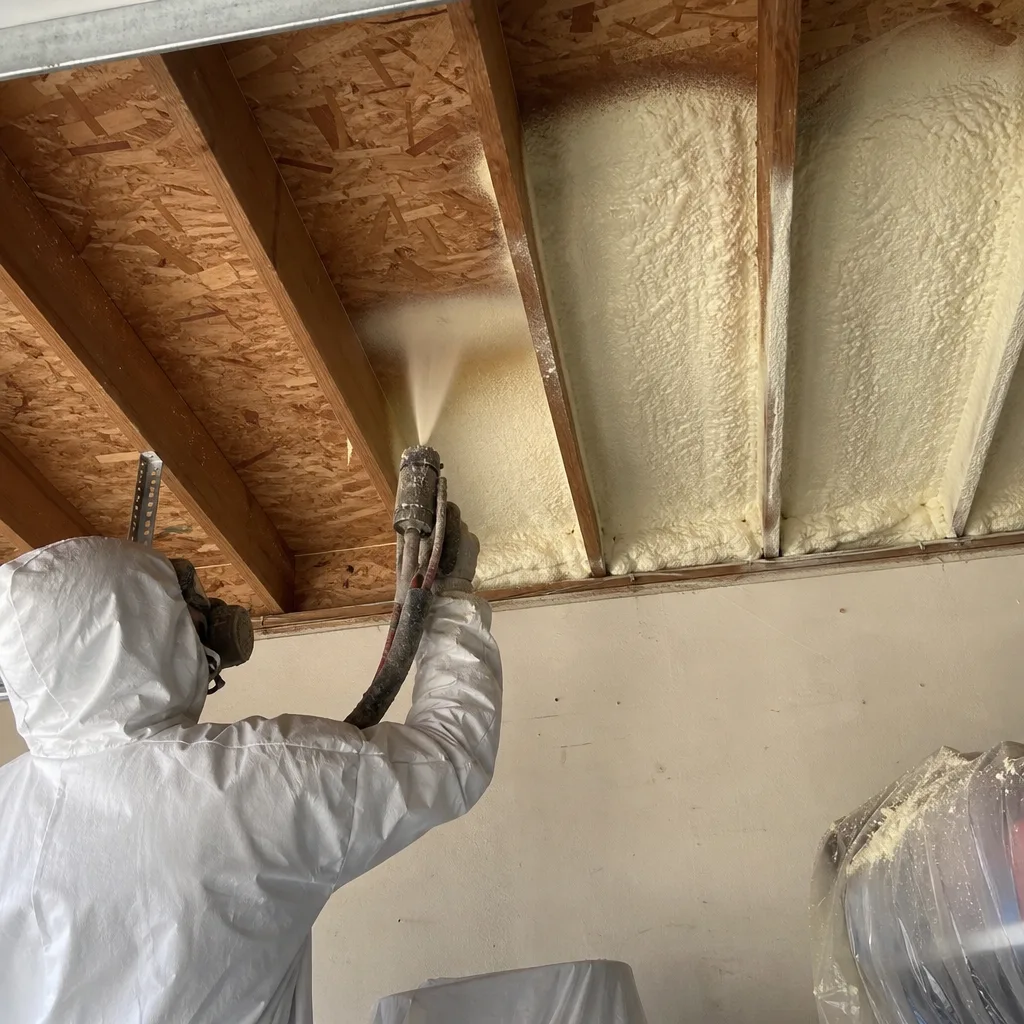
Spray Foam Roof Deck
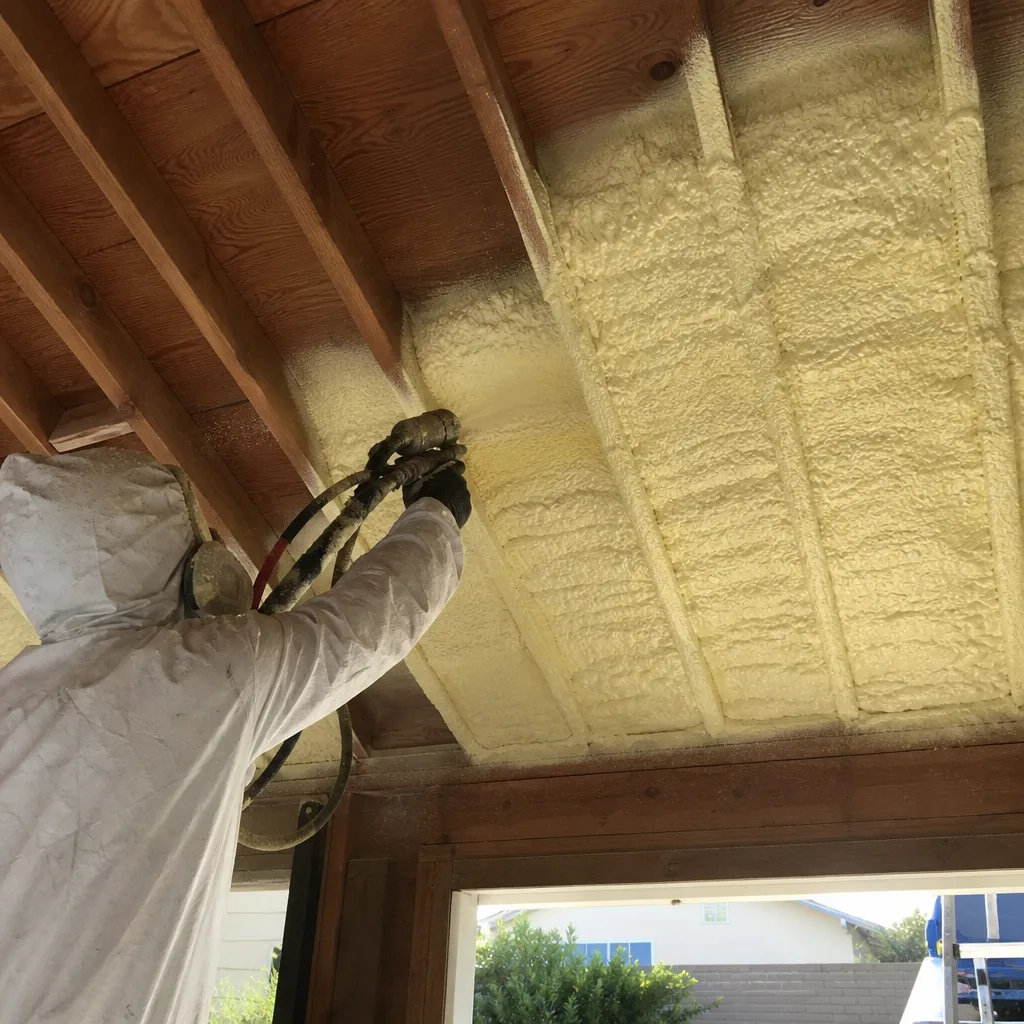
Spray foam applied directly to the roof deck - the underside of your roof sheathing - converts a vented attic into a conditioned, semi-conditioned, or unvented assembly. In Orange, where attic temperatures exceed 150°F in summer, this is often the right strategy for homes with HVAC equipment or ductwork in the attic. We specify closed-cell for roof decks, with careful attention to flash-coat thickness and shingle manufacturer compatibility. The City of Orange’s building department has seen enough of this work to know what to look for in plan review, and our documentation package - written scope, foam manufacturer spec sheet, and ignition barrier details - keeps permits moving.
What happens when you call
- 1
A real person answersNo phone trees - you reach a local pro.
- 2
You get an upfront price rangeHonest numbers before anyone is dispatched.
- 3
A background-checked tech heads outLicensed & insured, dispatched right away.
- 4
You approve before work beginsNothing starts until you say go.
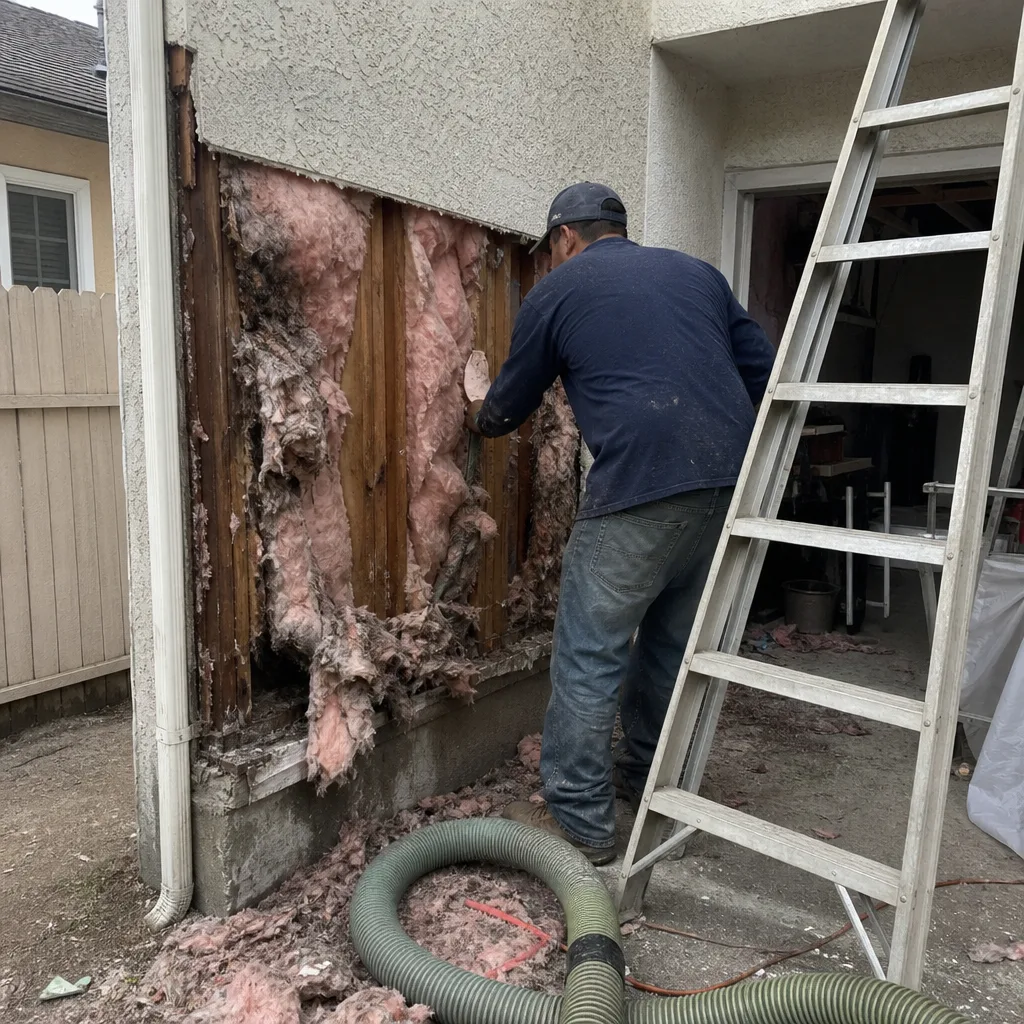 Before
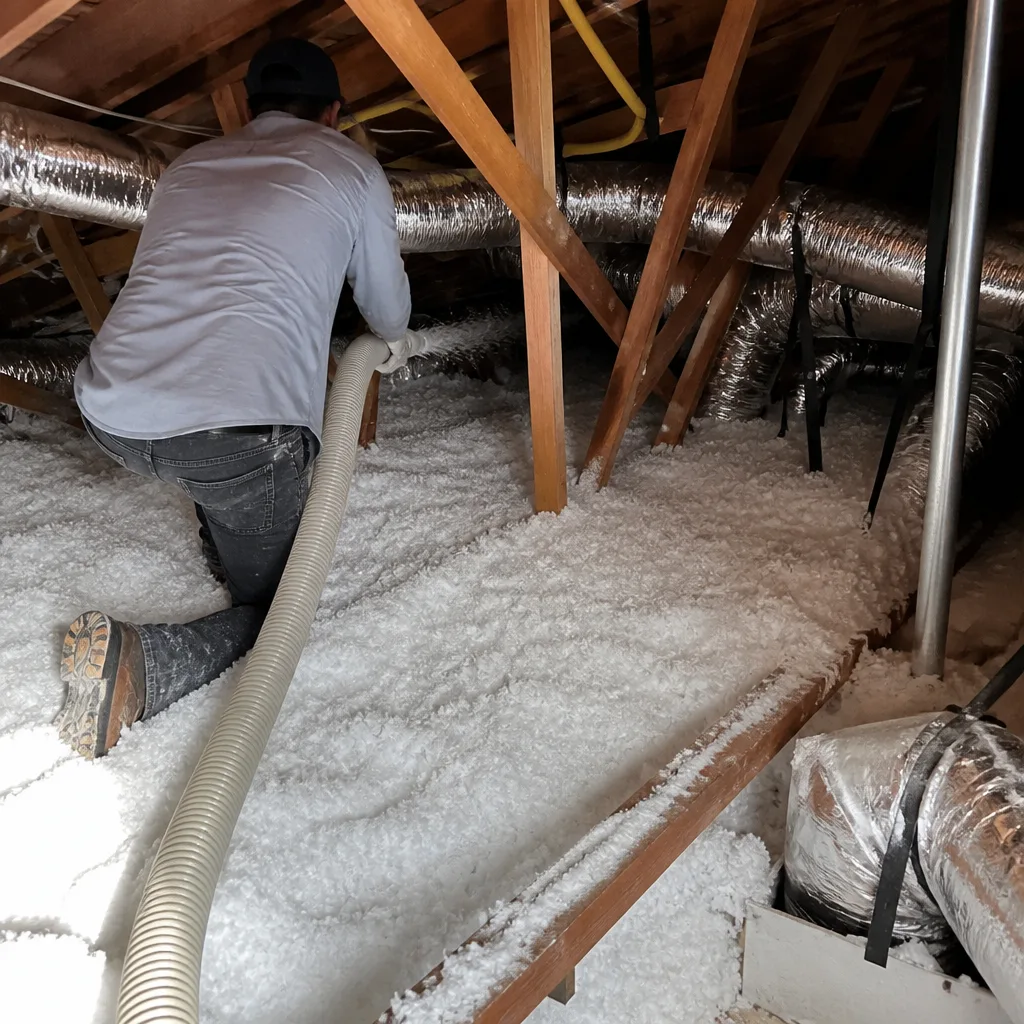 After
AfterTrusted Brands We Service in Orange
We source spray foam materials from Demilec, Johns Manville, and Owens Corning, among others - no proprietary lock-in, no single-source product we have to sell you. For Orange jobs, we stock local inventory of closed-cell and open-cell kits in common board-foot volumes, which means we’re not waiting on freight when your job is scheduled. If your project specifies a particular foam chemistry or manufacturer for compatibility with an existing assembly, we can match it. The Haven Standard requires that materials are documented in your written scope, so you know exactly what was sprayed and where.
Common Spray Foam Insulation Problems We See in Orange Homes
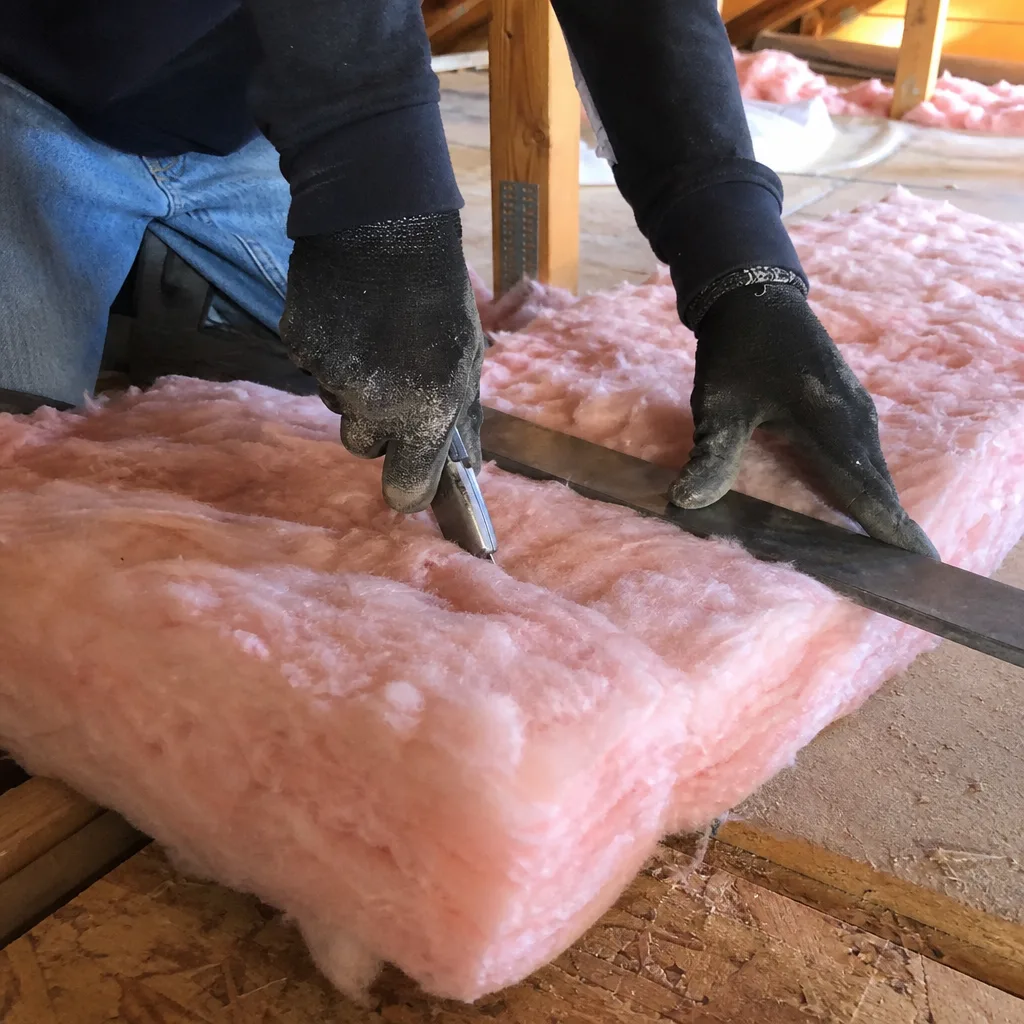
- Closed-cell flash coat too thick on roof decks. In Orange’s 150°F+ attics, a flash coat that skins over before the exothermic reaction completes traps heat against shingles. We’ve torn out and re-sprayed jobs where the original contractor skipped thickness verification and the homeowner had premature granular loss within three years.
- Foam applied over original window frames or trim in Old Towne. The City of Orange’s historic preservation staff can require a pre-project review if work risks altering a contributing structure’s exterior. Experienced local insulators show up knowing they’ll be drilling through interior plaster or fishing through attic eaves rather than ever touching the original redwood siding or Craftsman-era stucco.
- Balloon-frame wall chases ignored in pre-1940 bungalows. Foam goes in the stud bays, but the continuous top-of-wall channel still funnels 150°F attic air down every interior wall. We seal these chases with fire-blocking foam before filling the stud bays, or the homeowner gets hot walls and no explanation why.
- Original fiberglass batts compressed or degraded in 1950s-70s tract homes. East of the 55 Freeway, we find attics with R-11 batts that have settled to R-6 effective, plus gaps where electricians and HVAC contractors moved them and never replaced them. Spray foam roof-deck conversion is often the right fix, but only after air sealing of top plates, can lights, and penetrations - sealed first, then insulated, in that order.
Pricing for Spray Foam Insulation in Orange, CA
Most spray foam jobs in Orange fall in these ranges:
| Application | Typical Range |
|---|---|
| Open-cell attic (1,200 sq ft) | $1,800 - $2,800 |
| Closed-cell roof deck (1,200 sq ft) | $3,200 - $4,500 |
| Rim joist (typical crawlspace perimeter) | $1,200 - $2,000 |
| Garage ceiling (2-car, with bedroom above) | $1,400 - $2,200 |
| Old Towne historic interior-only wall work | $2,800 - $4,200 |
What moves you within these ranges: accessibility (scuttle hole vs. full attic stairs), existing insulation removal, ignition barrier requirements for occupied spaces, and whether we need to coordinate with City of Orange historic preservation staff on contributing structures. Every job gets a Written Price Before Any Work Starts - Haven Standard Clause 1 - and we offer a Free Second Opinion on any written estimate you’ve already received. Call (562) 267-3291 for your exact number; estimates are free.
We Also Serve Cities Near Orange
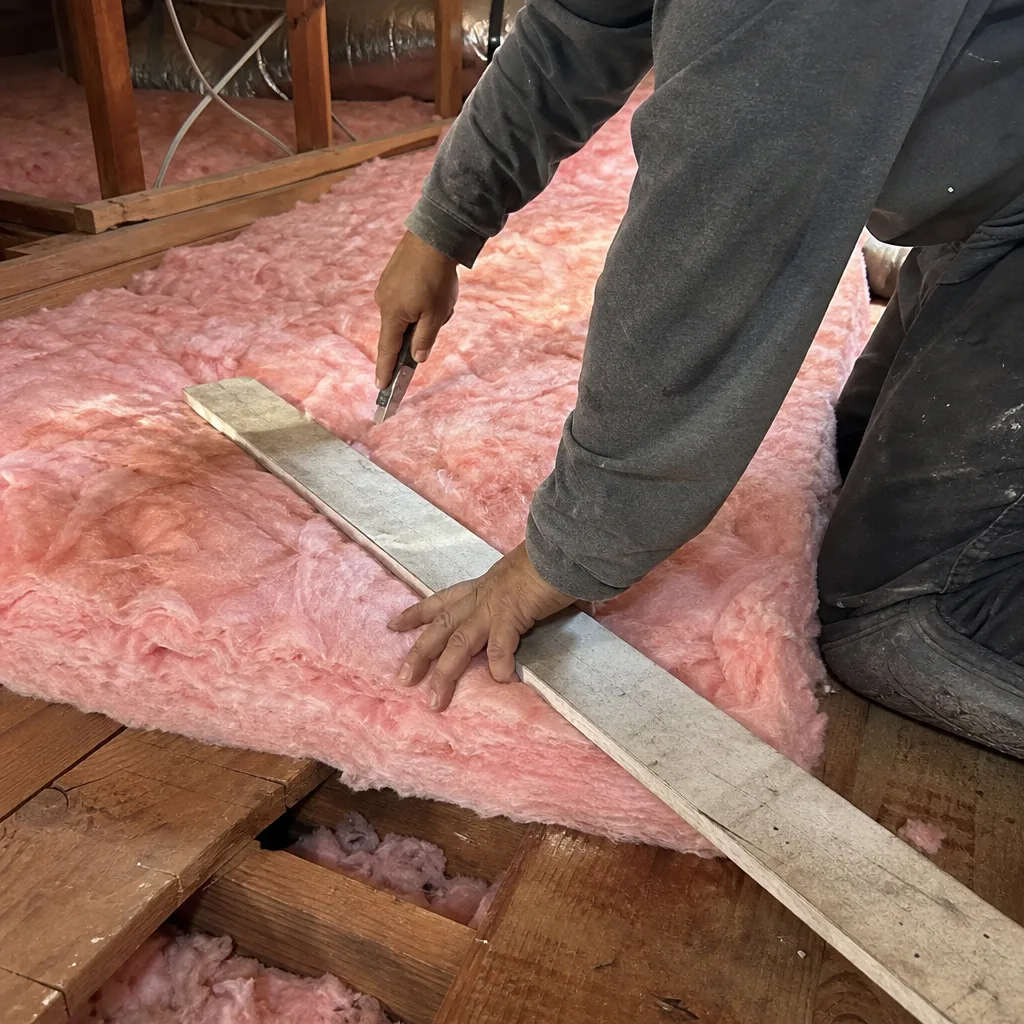
Our crews work throughout central Orange County, including Orange and neighboring Santa Ana, Villa Park, Garden Grove, and Placentia. If you’re near the border - say, a Placentia address with an Old Towne-style bungalow - we schedule based on crew availability and your specific building type, not just ZIP code.
Serving Orange, CA - Our Local Coverage Area
We’re based in the Orange area and know this community well. Use the map below to see our service coverage - if you’re nearby, we can almost certainly help.
FAQs - Spray Foam Insulation in Orange
Yes - and for contributing structures under the historic preservation overlay, we must. Our standard method is interior-only: we drill through plaster to access balloon-frame wall cavities, run spray foam from the attic eaves for roof-deck work, and seal rim joists from the crawlspace. The original redwood siding or Craftsman-era stucco is never disturbed. On a 1923 Craftsman off East Chapman Avenue, we completed a full envelope seal this way with zero exterior alterations. Call (562) 267-3291 and we’ll walk through your specific interior access options.
Closed-cell’s R-6.5 per inch and vapor-barrier properties handle Orange’s heat load better than open-cell’s R-3.6. In attics that hit 150°F, you want the highest R-value in the least thickness, and you want to stop moisture drive from the conditioned space below. Closed-cell delivers both. Open-cell has its place - we use it for historic roof decks that need vapor permeability - but for standard Orange attic conversions, closed-cell is our default specification. We’ll show you the manufacturer data sheets and explain why before you sign.
Sometimes, but they’re solvable. Alley-loaded units near the Orange Circle or along Glassell Street often have scuttle holes in closet ceilings rather than pull-down stairs. Our rigs fit through standard 30-inch openings, and we’ve developed methods for hose runs through second-story windows when attic access is limited. We scope access during the estimate visit and document any constraints in your written price - no surprises when the crew arrives.
These homes were built with vented attics, minimal R-value, and often have degraded fiberglass batts plus active air leaks at top plates and can lights. Our approach: blower-door test to quantify leakage, air seal all penetrations, then spray closed-cell on the roof deck to convert to an unvented assembly. The HVAC equipment in these attics - original or replaced - performs dramatically better when it’s not fighting 150°F intake air. We publish before-and-after blower-door numbers on every job so you can verify the result.
Not if we plan for it. Contributing structures in Old Towne may require a pre-project review if the work risks altering the exterior, but our interior-only methods typically avoid this trigger entirely. When review is required - usually for larger envelope projects where the city wants to confirm no exterior disturbance - we submit our written scope and photo documentation package upfront. The review adds a few days to scheduling, not weeks, and we’ve done enough of these to know what the staff needs to see. Your written price includes any coordination time; we don’t add fees after the fact.
Written by Wes Okafor, Owner at Topside Attic Insulation La Habra, serving Orange since 2016.