
Last updated September 24, 2026
Seasonal Insulation Care for La Habra: Year-Round Homeowner’s Guide
The moisture event that damages La Habra attic insulation most often doesn’t come from rain. It comes from cold January nights when warm interior air hits the underside of a roof deck that dropped below dewpoint, a condition that insulation without proper air sealing makes worse, not better. La Habra doesn’t have four thermally distinct seasons, but it does have three insulation stress events per year, each attacking a different part of the building envelope. This guide - alongside our Complete Guide to Insulation in La Habra - maps those events to specific inspection points so you catch degradation before it compounds into mold, rot, or energy bills you can’t explain.
Quick Answer
Seasonal insulation care in La Habra means timing three inspections to three local stress events: pre-Santa Ana checks of eave vents and attic hatches in September, winter monitoring for attic humidity above 70% RH during January and February, and summer verification of duct seals and HVAC boots before July peak cooling load. A homeowner who documents findings year-over-year - or follows an Attic Insulation Maintenance Checklist for La Habra Homeowners - can show a contractor a pattern of degradation rather than a single data point, which leads to faster diagnosis and more precise repair scope.
Table of Contents
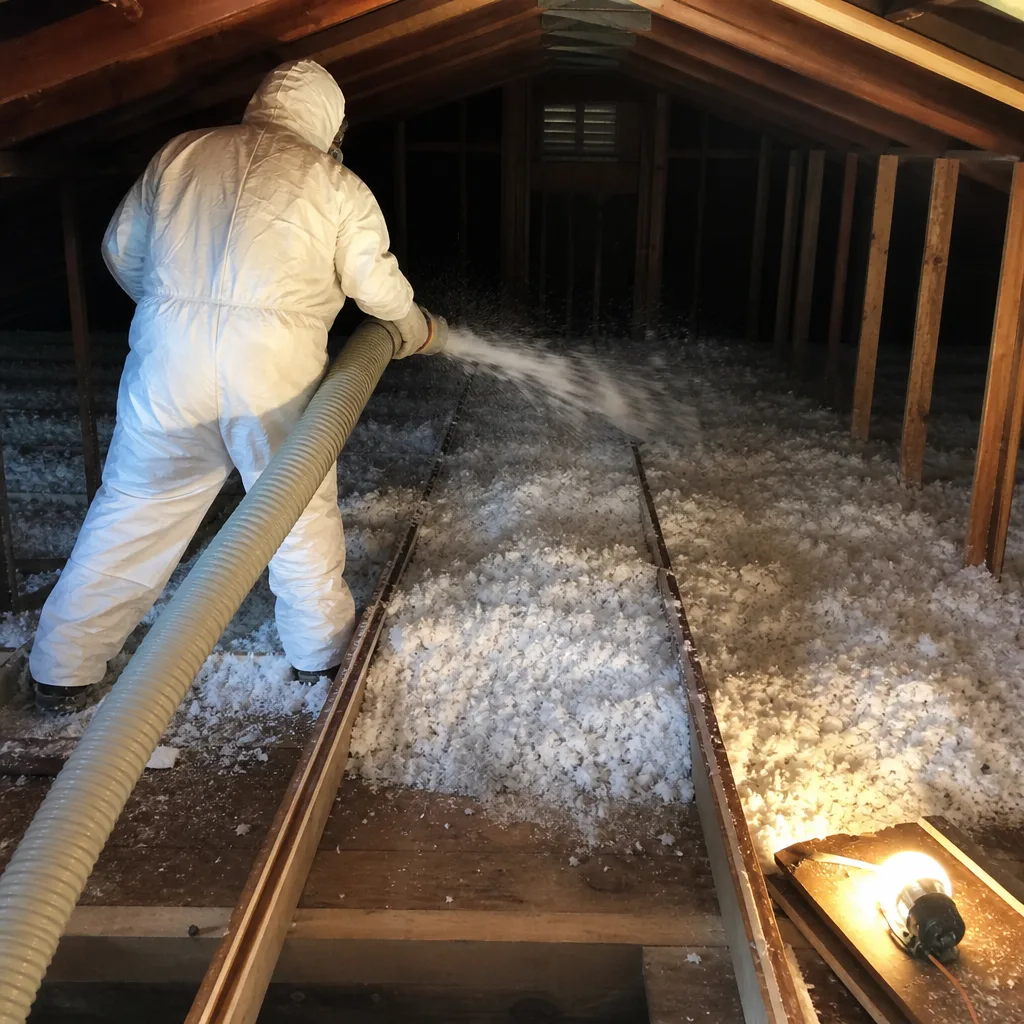
- Why La Habra Has Three Insulation Seasons, Not Four
- Pre-Santa Ana Season: September Inspection Checklist
- Winter Condensation Risk: January and February Monitoring
- Summer Peak Load: July and August Duct and Boot Verification
- Reading Thermal Bypass Signs at the Attic Hatch
- Building Your Documented Record: A Year-Over-Year Template
- Common Mistakes to Avoid
- When to Call a Professional
- Frequently Asked Questions
- The Bottom Line
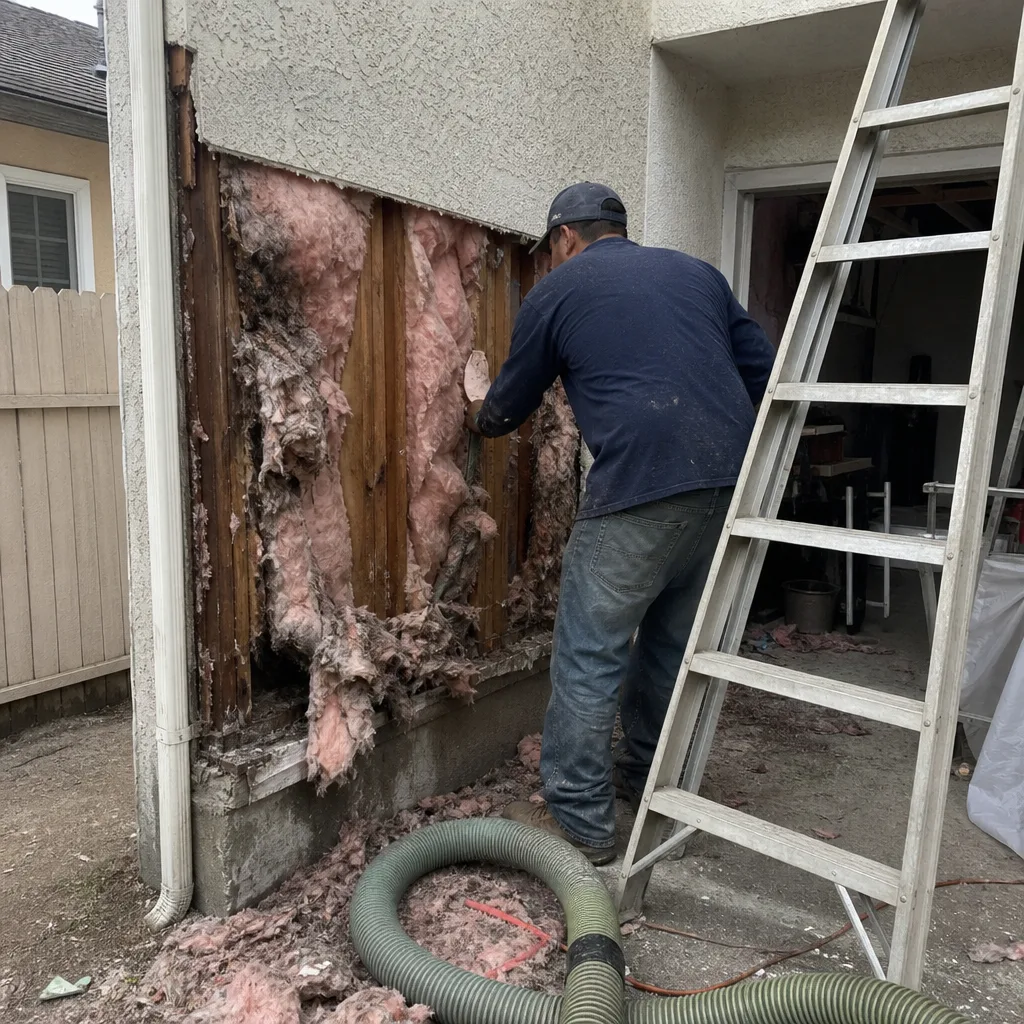 Before
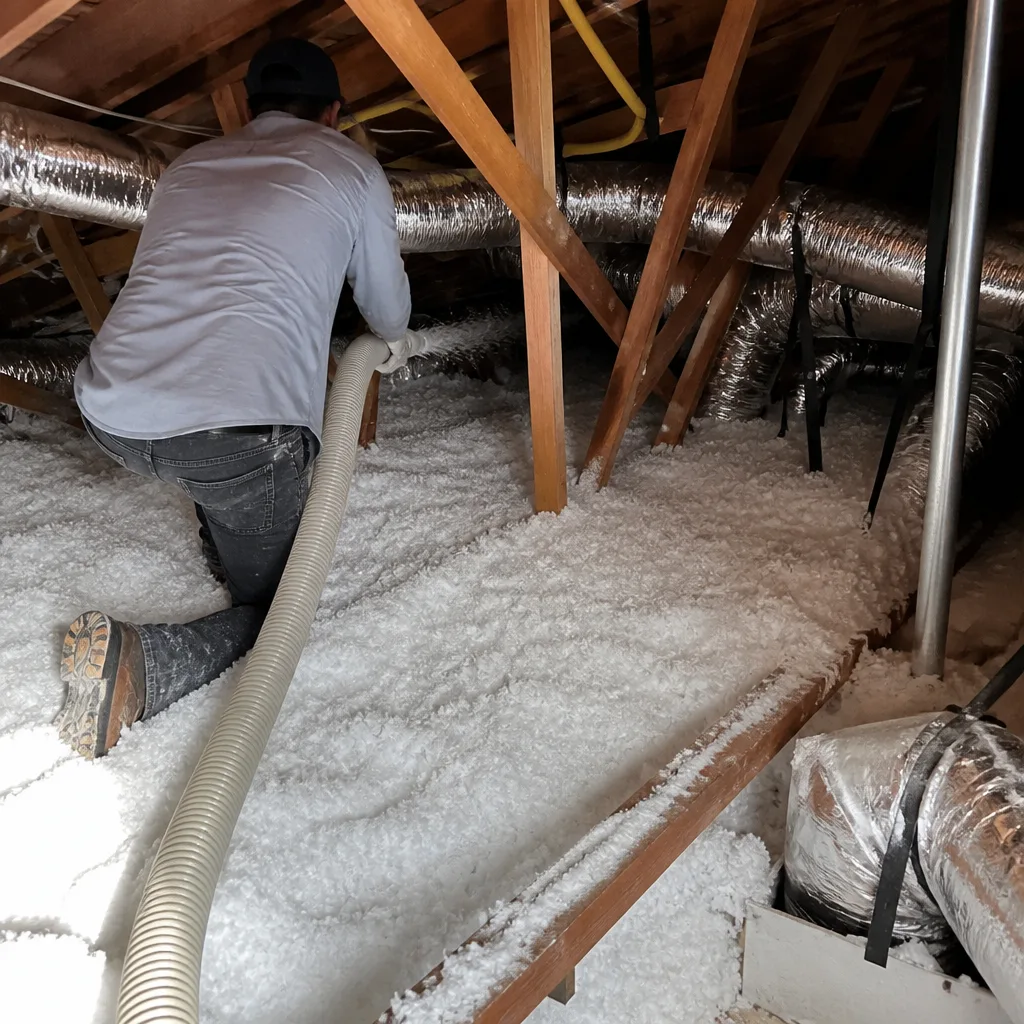 After
AfterWhy La Habra Has Three Insulation Seasons, Not Four
Most seasonal insulation guides assume a four-season climate with hard freezes and humid summers. La Habra sits at 33.9°N, 300 feet above sea level, with a Mediterranean climate modified by marine layer influence and punctuated by Santa Ana wind events. The thermal stress doesn’t distribute evenly across a calendar year. Instead, it clusters into three distinct periods, each with a different mechanism of envelope damage.
Santa Ana wind season runs roughly October through March, with peak events in December and January. These are dry, high-velocity northeasterly winds that create extreme pressure differentials across the building envelope. A Santa Ana event can drive unconditioned air through gaps as small as 1/16 inch at eave edges, attic hatches, and top-of-wall penetrations. The damage isn’t gradual moisture degradation, it’s mechanical: wind-washing of loose-fill insulation, displacement of batt edges, and fatigue of sealant materials subjected to rapid pressure cycling.
Winter condensation risk peaks in January and February, when overnight lows in La Habra can drop to the low 40s while interior air remains in the 68-72°F range. The roof deck, especially on north-facing pitches in neighborhoods like La Habra Heights and the older tract homes south of Whittier Boulevard, can fall below dewpoint. Warm, moist interior air that leaks through the ceiling plane condenses on the cold sheathing. Without adequate air sealing at the ceiling plane, adding insulation actually increases this risk by making the roof deck colder.
Summer peak cooling load arrives in July and August, when La Habra sees sustained temperatures in the upper 80s and low 90s. The stress shifts to the distribution system: ductwork in vented attics can reach 140°F surface temperatures, and every penetration, boot seal, and flex duct connection becomes a point of conditioned air loss. The insulation assembly itself may be intact, but the thermal boundary is compromised at the mechanical interface.
We’ve seen this pattern repeat across more than 9,000 homes sealed and insulated since 2016. The homeowners who catch problems early are the ones who inspect the right assembly at the right time of year.
Pre-Santa Ana Season: September Inspection Checklist
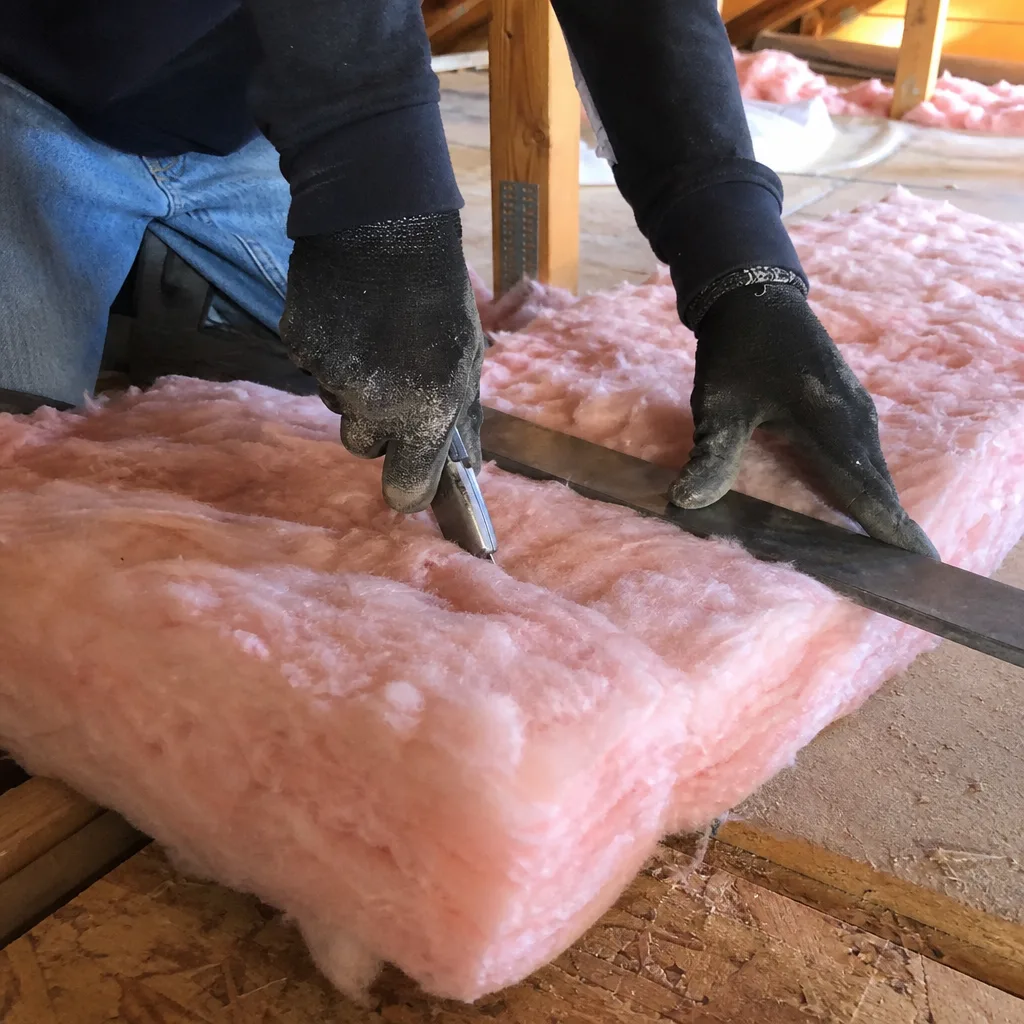
September is the optimal inspection window in La Habra. The summer heat has finished stressing sealants, the first Santa Ana events haven’t arrived yet, and attic temperatures are still tolerable for a 20-minute survey. This inspection focuses on the pressure boundary: every location where high wind differentials can exploit gaps.
Step-by-Step: Eave-to-Hatch Inspection
- Check eave vent screens. Santa Ana winds carry fine dust and vegetative debris. Clogged screens create pressure imbalances that draw air through unintended paths. Look for torn mesh, paint-overs from prior roof work, and nests. In La Habra’s hillside neighborhoods, we’ve found eave screens packed with bougainvillea bracts and palm fiber that reduce free vent area by 60%.
- Verify soffit vent continuity. Each rafter bay should have an unobstructed path from soffit to ridge. Insulation baffles - the cardboard or foam channels that maintain this gap - often collapse or get displaced during prior work. A bay without a baffle is a bay where wind-washing will occur.
- Inspect the attic hatch seal. This is the most common pressure leak we find in La Habra homes. The hatch should have a compressible gasket, not just weatherstrip tape. Check for daylight visible around the perimeter when the hatch is closed. If you can slide a dollar bill through the gap, air can move at volume.
- Trace top plates and penetrations. Follow the top of every interior wall where it meets the ceiling. Look for gaps around electrical boxes, plumbing vent stacks, and chimney chases. In homes built 1950-1980 in La Habra, these are rarely sealed at original construction. A smoke pencil or even a stick of incense on a calm day will reveal air movement.
- Document with photos. Take dated photos of every condition you find. This becomes your baseline for comparison.
The materials for this inspection cost under $30: replacement eave screen, baffles if needed, and proper attic hatch gasket material. The labor is an afternoon. The alternative is finding, in February, that Santa Ana winds have been pulling conditioned air through your ceiling plane for four months.
For homes with crawl space encapsulation and vapor barrier in La Habra, extend this inspection to include foundation vent seals and crawl space access hatches. Santa Ana pressure differentials affect the entire envelope, not just the attic.
Winter Condensation Risk: January and February Monitoring
This is the season that surprises La Habra homeowners. The city averages only 14 inches of annual rainfall, so water damage isn’t top of mind. But condensation from interior air leakage is a different mechanism than bulk water intrusion, and it’s more dangerous because it’s hidden and chronic.
The 70% RH Threshold
Relative humidity in a properly air-sealed attic should track close to outdoor conditions, typically 40-60% in La Habra winters. When attic RH climbs above 70%, it indicates warm, moist interior air is leaking into the attic faster than ventilation can remove it. At 70% RH and typical January overnight temperatures, the roof deck sheathing is at risk of surface wetting.
We’ve logged blower-door readings on hundreds of La Habra homes. A typical unsealed home from the 1960s-1980s tests at 3,500-5,000 CFM50 - a pressurization reading that shows, in one number, how much air the building envelope is losing. After proper air sealing of top plates, can lights, and penetrations, that same home often tests at 1,800-2,500 CFM50. The homes with post-sealing attic RH above 70% almost always have residual leaks at:
- Recessed can lights, especially older non-IC rated fixtures
- Bath fan and kitchen exhaust penetrations without sealed damper boxes
- Plumbing vent stack chases that open into wall cavities
- Chimney chases with missing or deteriorated firestop sealant
How to Monitor
Place a wireless humidity sensor in the attic, shielded from direct roof deck contact and away from vents. Log readings weekly through January and February. Compare to outdoor RH from a local weather station. If your attic consistently runs 15+ percentage points above outdoor RH, you have a leakage problem worth addressing.
The documentation matters. A homeowner who can show a contractor six weeks of RH data, plus photos of frost or staining patterns on the roof deck, gets a precise scope of work instead of a speculative proposal. Under Haven Standard: Have it in writing, we provide a written price before any work starts, but your data makes that price more accurate.
Summer Peak Load: July and August Duct and Boot Verification
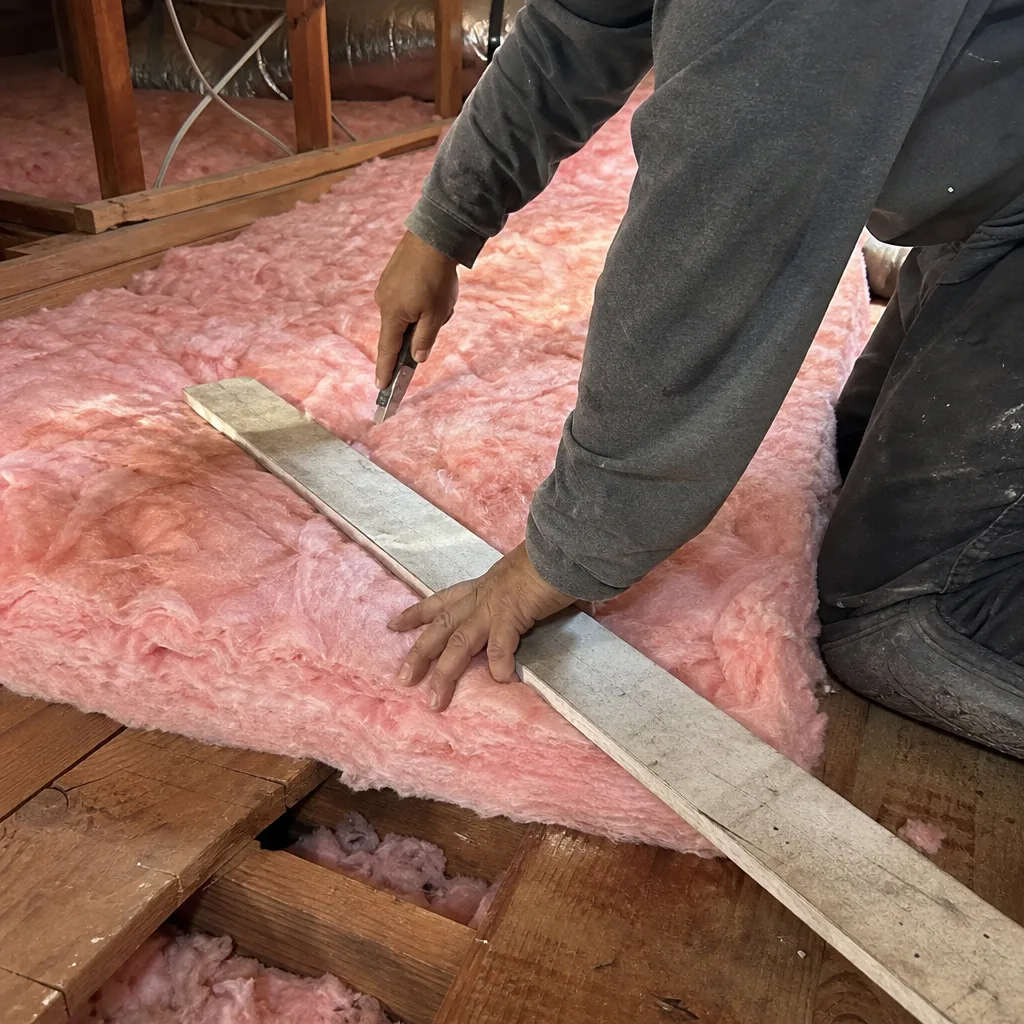
La Habra’s summer design temperature is 92°F, but attic temperatures in vented assemblies regularly exceed 130°F. Every duct penetration, flex duct connection, and HVAC boot seal operates under thermal stress for 8-12 hours daily. This isn’t about insulation R-value; it’s about the integrity of the thermal boundary at mechanical penetrations.
The Inspection Focus
Wait for a day when the attic is hottest - typically 2-4 PM in July. Bring a headlamp and a camera. You’re looking for:
- Duct tape failure at flex duct connections. Standard cloth-backed duct tape degrades in attic heat; the adhesive fails and the tape hangs loose. Metal-backed tape or mastic-sealed connections are the correct materials. If you see hanging tape, the seal has been compromised for months.
- Thermal bypass at HVAC boots. The metal boot where ductwork penetrates the ceiling plane should be sealed to the drywall with mastic or foam. A visible gap between boot and drywall means conditioned air is dumping into the attic. In summer, you can sometimes feel this with your hand - the boot surface will be anomalously cool where air is escaping.
- Insulation displacement on ductwork. Fiberglass duct wrap sags and compresses over time. A 2-inch wrap compressed to 1 inch has lost half its effective R-value. Look for bare spots where wrap has fallen away entirely.
- Kinked or crushed flex duct. Common where ducts cross truss chords or where storage has been placed on attic floors. A kinked duct can reduce airflow by 30% or more, forcing the HVAC system to run longer and increasing energy costs disproportionately.
The thermal signature of these problems is often visible only in summer. An unsealed HVAC boot that’s leaking 55°F conditioned air into a 130°F attic creates a cold spot that can be detected with an infrared thermometer or even careful hand placement. In winter, the temperature differential is smaller and the leak harder to find.
Homes with spray foam insulation in La Habra have different summer concerns. Closed-cell foam on the roof deck creates an unvented attic where ductwork operates in conditioned space, but the foam-to-deck adhesion must be verified annually for any signs of separation or cracking at ridge and valley details.
Reading Thermal Bypass Signs at the Attic Hatch
The attic hatch is the most frequently accessed opening in the ceiling plane, and therefore the most frequently compromised. In La Habra’s climate, the thermal signature of a poorly sealed hatch is most visible in summer, when surface temperatures tell the story.
The 20°F Differential Test
On a July afternoon with the attic at 130°F+, measure the surface temperature of the attic hatch with an infrared thermometer. A properly sealed and insulated hatch should read within 5°F of the adjacent ceiling. We’ve measured unsealed hatches at 20°F or more above ambient ceiling temperature - often 95-100°F when the room below is 75°F.
This differential isn’t just energy loss. It’s a diagnostic. The heat is arriving by two mechanisms: air leakage through gaps around the hatch perimeter, and conductive transfer through an under-insulated hatch panel. The fix depends on which dominates:
- Air leakage dominant: Gasket seal is missing, compressed, or wrong material. Replace with closed-cell foam gasket rated for compression set. The gasket should crush to approximately 30% of original thickness when the hatch is closed.
- Conduction dominant: Hatch panel is uninsulated or insulated below R-19. Add rigid foam insulation to the attic side, taped at edges, with no gaps. Do not use batt insulation that can fall or compress.
In La Habra’s older neighborhoods, particularly the post-war tracts between Imperial Highway and Whittier Boulevard, attic hatches are often original 1/2-inch plywood with no seal and no insulation. These are priority retrofits with immediate payback.
We’ve published before-and-after blower-door numbers on jobs where the only change was proper hatch sealing and insulation. A 150 CFM50 reduction is typical - that’s 150 cubic feet per minute of conditioned air no longer escaping at one opening.
Building Your Documented Record: A Year-Over-Year Template
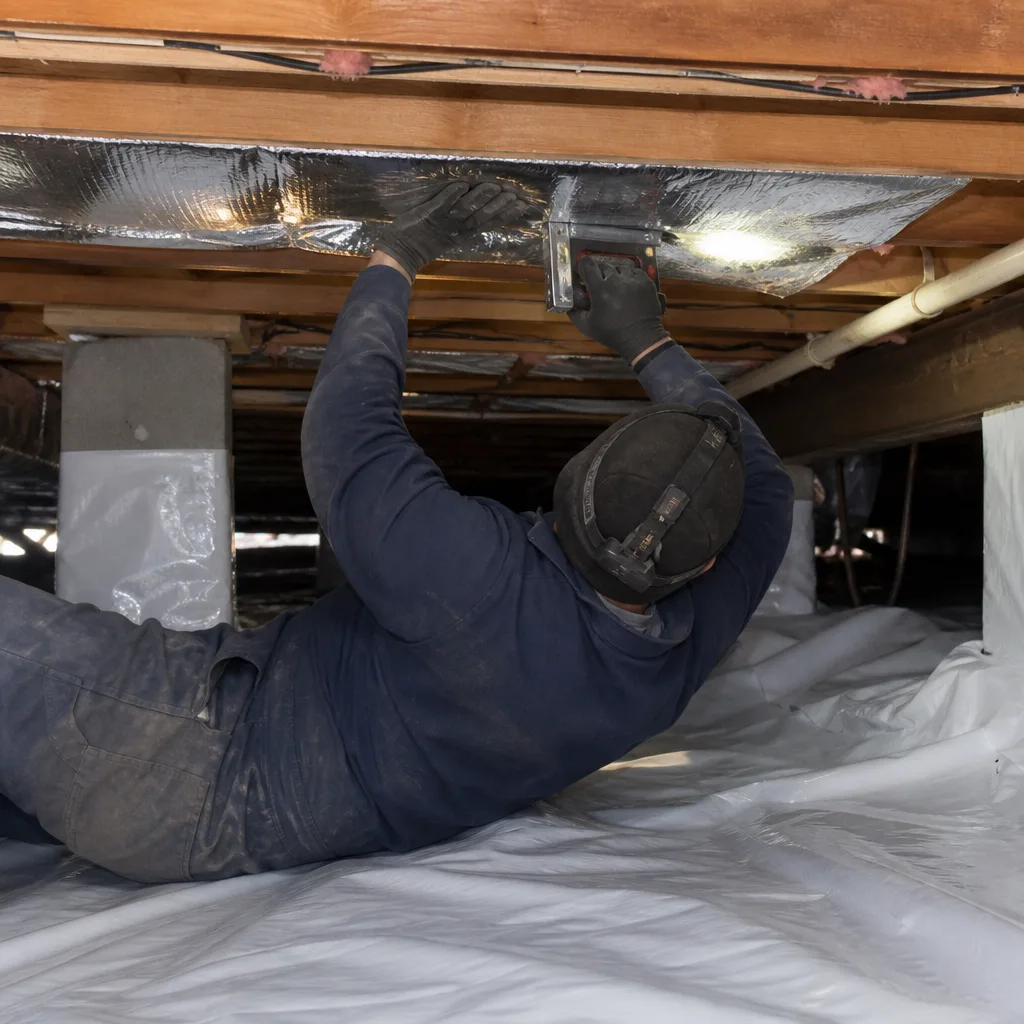
The homeowners who get the most precise scope and fairest price from any contractor arrive with data, not just complaints. A documented record transforms your relationship with your insulation assembly from reactive to predictive. Here’s the template we recommend, based on what we’ve found most useful when homeowners bring it to us.
Annual Insulation Log Template
Property: [Address]
Year Built: [Year]
Last Professional Assessment: [Date, Company, Blower-Door Result if Available]
September Pre-Santa Ana Inspection
Date: ___
Eave vent condition: ___
Baffles intact in bays: ___
Hatch seal condition: ___
Top plate gaps found: ___
Photos taken: Y/N
Actions taken: ___
January-February Humidity Monitoring
Sensor location: ___
Peak RH reading: ___
Date of peak: ___
Outdoor RH on that date: ___
Delta (attic minus outdoor): ___
Visible roof deck staining/frost: Y/N, describe ___
Actions taken: ___
July-August Duct Verification
Date: ___
Attic temperature at inspection: ___
Duct tape failures found: ___
Boot seal gaps found: ___
Insulation displacement on ducts: ___
Kinked or crushed ducts: ___
Hatch surface temperature: ___
Adjacent ceiling temperature: ___
Delta: ___
Actions taken: ___
Professional Service History
Date / Company / Scope / Blower-Door Before / Blower-Door After / Photos Received Y/N
This record serves two purposes. First, it builds your own understanding of how your specific home behaves. Second, it gives any contractor - including us - a running start on diagnosis. A homeowner who can say “my attic RH has climbed from 55% to 78% over three winters” gets a different, more targeted proposal than one who says “I think I need more insulation.”
Under Haven Standard, every job we complete includes a Documented Photo Record delivered before the crew leaves. Add these to your file. Over five years, you’ll have a performance history that no generic estimate can match.
Common Mistakes to Avoid
- Adding insulation before air sealing. This is the most expensive mistake we correct in La Habra. Blown fiberglass or cellulose over an unsealed attic floor simply hides the leaks, makes them harder to find later, and can worsen winter condensation by cooling the roof deck further. Seal first, then insulate - in that order.
- Ignoring the hatch. Homeowners will spend thousands on attic insulation and leave a 1/2-inch plywood hatch with no seal. The hatch is a hole in your thermal boundary. It deserves the same attention as any other assembly.
- Using humidity readings from a single day. One 75% RH reading during a rainstorm is weather, not a system problem. Log weekly for six weeks to establish a pattern. January and February in La Habra provide the cleanest data because rain is rare and temperature differentials are consistent.
- Assuming spray foam is maintenance-free. Closed-cell foam on roof decks can separate at ridges and valleys due to thermal cycling. Annual visual inspection of these high-stress areas is essential. We’ve found 2-inch gaps in 5-year-old foam installations that the homeowner never knew existed.
- Storing items on attic insulation. Every box, board, and holiday decoration compresses insulation and creates thermal bypass. If you use your attic for storage, build a raised platform that doesn’t contact the insulation below.
- Waiting for a comfort complaint to inspect. By the time you’re uncomfortable, damage has occurred. The inspection schedule in this guide is designed to catch problems before they become symptoms.
When to Call a Professional
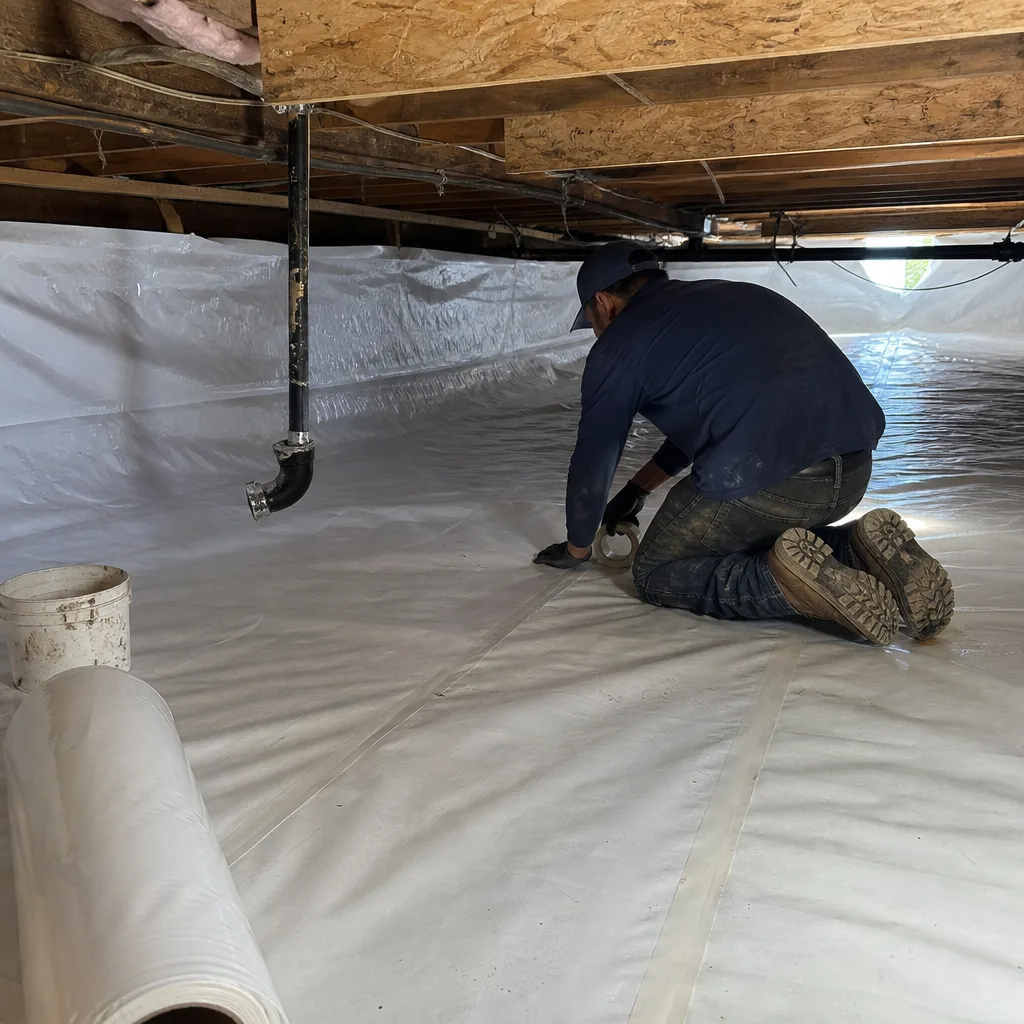
Some conditions exceed homeowner inspection and repair. Call a contractor when you find: attic humidity sustained above 70% RH for two consecutive weeks; visible mold on roof deck sheathing or rafters; pest activity in insulation (droppings, tunnels, compressed trails); ductwork disconnected or crushed; or any condition you’re not comfortable addressing from a ladder or in attic heat.
A professional assessment should include a blower-door test - a pressurization reading that shows, in one number, how much air your building envelope is losing - and infrared imaging to locate leaks the eye cannot see. The written scope should specify every location to be sealed, every material to be installed, and the expected performance outcome.
Topside Attic Insulation La Habra offers free estimates in La Habra. We’ll review your documented record with you, perform a blower-door test on applicable jobs, and provide a written price before any work starts. Call (562) 267-3291 to schedule. Every completed job includes a Documented Photo Record and, where applicable, before-and-after blower-door numbers so you can verify the result.
Frequently Asked Questions
Most attic insulation jobs in a typical La Habra home run between $2,800 and $6,500, depending on assembly condition, accessibility, and whether air sealing is needed before insulation is added. A home with an unsealed attic floor and original 1950s-1970s insulation typically requires more prep work than one that was previously sealed. We provide a written price before any work starts, always, and offer a Free Second Opinion on any written estimate from another contractor. Call (562) 267-3291 for an exact quote - estimates are free.
You can, but as we explain in our DIY vs Professional Insulation guide, you shouldn’t if the attic floor hasn’t been air sealed first. Adding blown-in cellulose or fiberglass over an unsealed ceiling plane buries the leaks, makes future sealing more expensive, and can increase winter condensation risk by cooling the roof deck. In La Habra, we regularly see spring failures - moisture damage that appears in March - from insulation added in summer without proper sealing. Seal first, then insulate.
Check the 1:300 rule: your attic needs 1 square foot of net free vent area for every 300 square feet of attic floor space, split evenly between intake (soffit) and exhaust (ridge or gable). In La Habra, Santa Ana winds can clog or damage vent screens, reducing effective area. A 1,500 square foot attic needs 5 square feet total, 2.5 at soffits and 2.5 at ridge. Many La Habra homes built 1960-1990 are under-ventilated by this standard, especially if original vents have been painted over or screened with fine mesh.
There’s no single best material; the right choice depends on assembly, budget, and performance goals. Blown-in cellulose (we source from GreenFiber) performs well in vented attics with proper air sealing. Spray foam (we install Icynene and Demilec products) creates an unvented conditioned attic that eliminates duct losses but requires different ventilation strategy. Fiberglass batts from Owens Corning work for accessible floor applications where moisture risk is controlled. We don’t push proprietary products - we specify based on what your home’s condition and your documented record indicate.
Follow the three-event schedule in this guide for homeowner inspections, and schedule a professional assessment every 3-5 years, or immediately if your monitoring reveals sustained high humidity, visible damage, or a spike in energy costs you can’t explain. A professional visit should include blower-door testing and infrared imaging, not just a visual look. The 9,000+ homes we’ve assessed since 2016 show that the 3-5 year cycle catches degradation before it becomes major repair.
Repair is cheaper when the damage is localized - a single wet area from a resolved roof leak, or compression from a removed storage platform. Replacement is necessary when insulation is uniformly degraded, contaminated by pests, or installed without air sealing that now must be addressed. In La Habra’s older neighborhoods, we find that “repair” estimates often grow once the full condition is exposed. A professional assessment with a written scope lets you compare true costs. We offer free estimates and a Free Second Opinion on any written estimate so you can make an informed comparison.
The Bottom Line
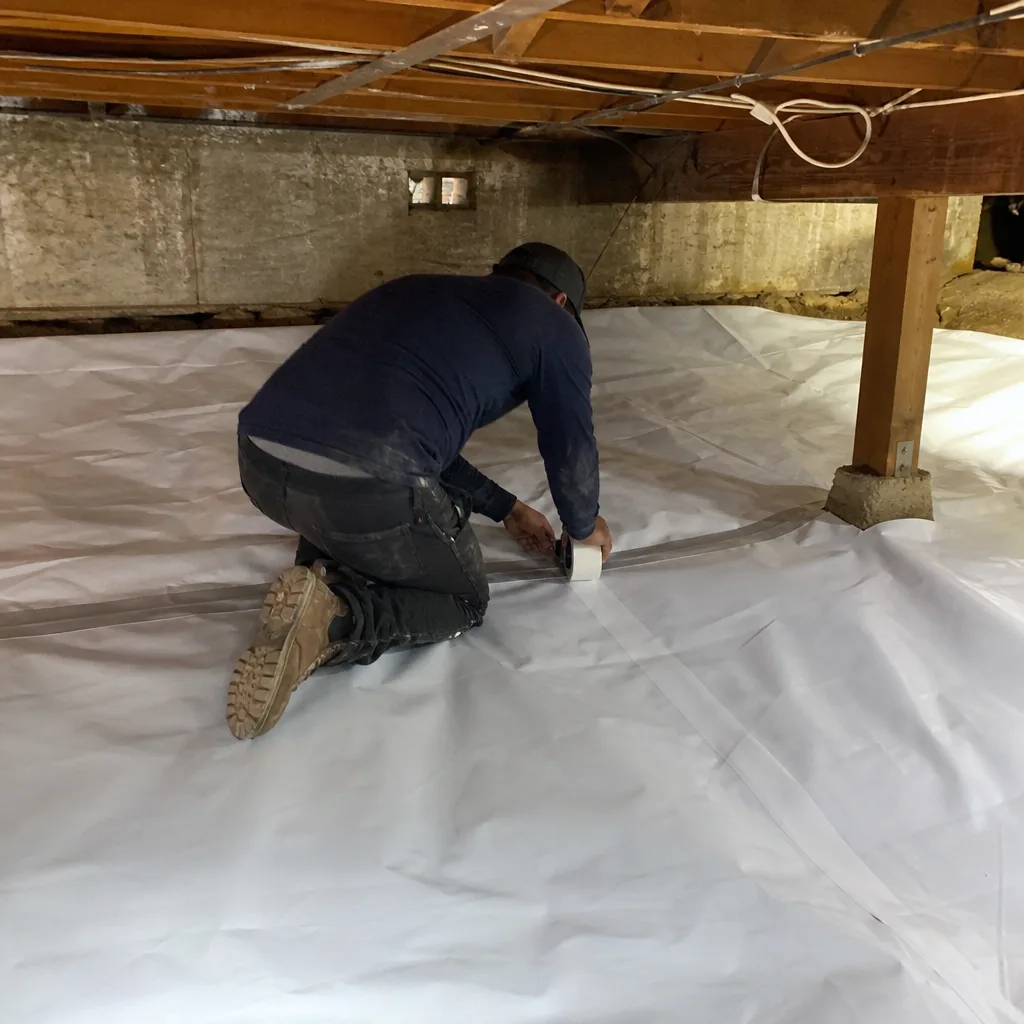
La Habra’s insulation calendar runs on three stress events, not four seasons. Inspect eave vents and hatches before Santa Ana winds arrive, monitor attic humidity through January and February with a 70% RH alert threshold, and verify duct seals and HVAC boots before July peak load. Document everything year-over-year. The homeowners who treat insulation as a monitored system, not a one-time installation, avoid the hidden moisture damage and energy costs that accumulate when degradation goes unnoticed. Start your record this year, and explore more guides & resources to keep your home protected. The data you collect becomes the most valuable tool in any future contractor conversation.
Attic insulation in La Habra requires attention to this specific climate pattern. Whether you need air sealing, insulation replacement, or a full building envelope assessment, the inspection schedule in this guide applies to every home in the city, from La Habra Heights to the central neighborhoods.
Call (562) 267-3291 to schedule a free estimate. We’ll review your documented record, perform blower-door testing on applicable jobs, and provide a written price before any work starts. Every job closes with a Documented Photo Record and, where applicable, before-and-after blower-door numbers you can verify.
Written by Wes Okafor, Owner at Topside Attic Insulation La Habra, serving La Habra since 2016.